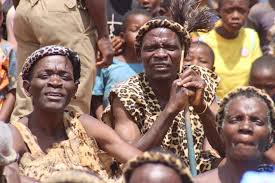
What is Ncwala? Ncwala means "tasting the first fruits." It is a sacred Ngoni festival symbolizing gratitude to God, ancestors, and the chief for a successful harvest. The ceremony represents the renewal of life and the continuation of Ngoni traditions that have been preserved for over two centuries.
The name itself comes from the Ngoni word for the ritual tasting of the season's first crops, which can only occur after the Paramount Chief has blessed the harvest. Until this sacred ceremony takes place, the community abstains from consuming the new season's produce.
Historical Background The Ngoni people migrated from Southern Africa during the 19th century after the Mfecane upheavals - a period of widespread chaos and warfare among indigenous ethnic communities in southern Africa. Under the leadership of Zwangendaba, they crossed the Zambezi River on November 19, 1835, an event that is symbolically reenacted during the ceremony.
After years of migration, the Ngoni settled in Eastern Zambia under Paramount Chief Mpezeni, establishing their kingdom in what is now Chipata District. The Ncwala ceremony was revived in 1980 after a period of dormancy and has since become one of Zambia's largest and most significant traditional festivals.
Preparation Activities The preparation for Ncwala begins months in advance and involves the entire community. Key activities include:
• Community fundraising events and cultural gatherings
• Reenactments of the Ngoni migration and the historic crossing of the Zambezi River
• The ceremonial movement of the Paramount Chief to the sacred ceremonial grounds at Mtenguleni
• Elders preparing sacred blessings and gathering ritual items
• Warriors practicing traditional dances and preparing their regalia
• Women preparing traditional foods and beverages for the feast
What Happens During the Ceremony The Ncwala ceremony is a multi-day event filled with sacred rituals and cultural performances:
• Presentation of the first harvest crops to the Paramount Chief
• Ceremonial slaughter of a black bull, whose blood symbolizes the life force of the nation
• The chief symbolically tasting the blood and first fruits to bless the harvest
• Powerful warrior dances (Ingoma) featuring traditional drums, spears, shields, and leopard skins
• Warriors demonstrate their skills and honor their ancestors through choreographed performances
• Community members dressed in traditional Ngoni attire participate in celebrations
Aftermath and Significance After the Ncwala ceremony:
• The community is officially permitted to begin eating the new harvest
• Blessings from the ceremony are believed to bring rain, fertility, and prosperity to the land
• Younger generations learn cultural pride, history, and their responsibilities as Ngoni people
• Tourism and local trade experience significant growth, benefiting the entire region
• Cultural bonds are strengthened as Ngoni people from across Zambia and beyond reunite
The ceremony serves as a powerful reminder of the Ngoni's resilience, their journey, and their commitment to preserving their heritage for future generations.