The Ngoni migration is one of Southern Africa's most remarkable journeys of endurance and identity.
From their origins in the south, the Ngoni people moved north through a series of difficult crossings and conflicts, carrying their language, leadership structures, and warrior traditions.
By the 19th century, they reached Eastern Zambia under the leadership of Zwangendaba and later Paramount Chief Mpezeni, establishing a homeland that endures today.
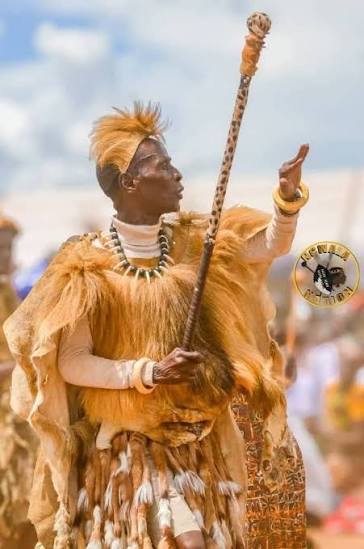
The Ncwala Ceremony preserves this history in living form. Songs, dances, and reenactments recall the journey, honoring both hardship and survival.
For communities today, the migration is not a distant story. It is a source of pride and a reminder of how culture can travel, adapt, and remain strong.
The migration is often described as a moving nation, not simply a group of travelers. Families carried heirlooms, clan symbols, and oral histories that defined who they were. Chiefs and councils organized the community, while age regiments coordinated defense and discipline. That structure helped the Ngoni endure long distances, uncertain terrain, and the upheaval of a rapidly changing region.
Along the way, the Ngoni encountered other communities and exchanged ideas, languages, and customs. These encounters shaped dress, music, and ceremonial practices, creating a culture that could adapt without losing its core identity. This blend of continuity and adaptation is part of what makes the migration story so compelling today.
In Eastern Zambia, the journey is remembered through storytelling, praise songs, and community gatherings. Elders recount the crossings, the determination of the people, and the leadership that kept the nation united. Younger generations learn that the migration is not simply a chapter in a book, but a living inheritance that guides values of courage, unity, and discipline.
The Ncwala Ceremony echoes the migration in symbolic ways. Processions resemble a people on the move. Drum patterns reflect the rhythm of marching feet. Praise poetry honors chiefs who led the journey and communities that offered refuge. Even the preparation for the ceremony mirrors the collective effort that once held the migrating nation together.
Understanding the Ngoni migration also deepens the meaning of Ncwala. It is not only a celebration of harvest; it is a celebration of survival and identity. The ceremony keeps history alive so it is carried in voices, movement, and ritual rather than frozen in archives.
Today, as the Ngoni diaspora grows and people live far from ancestral lands, the migration story provides a powerful anchor. It reminds the community that movement is part of their heritage and that identity can endure across distance. Ncwala becomes the moment when that identity returns home, and the journey is honored again with pride and gratitude.