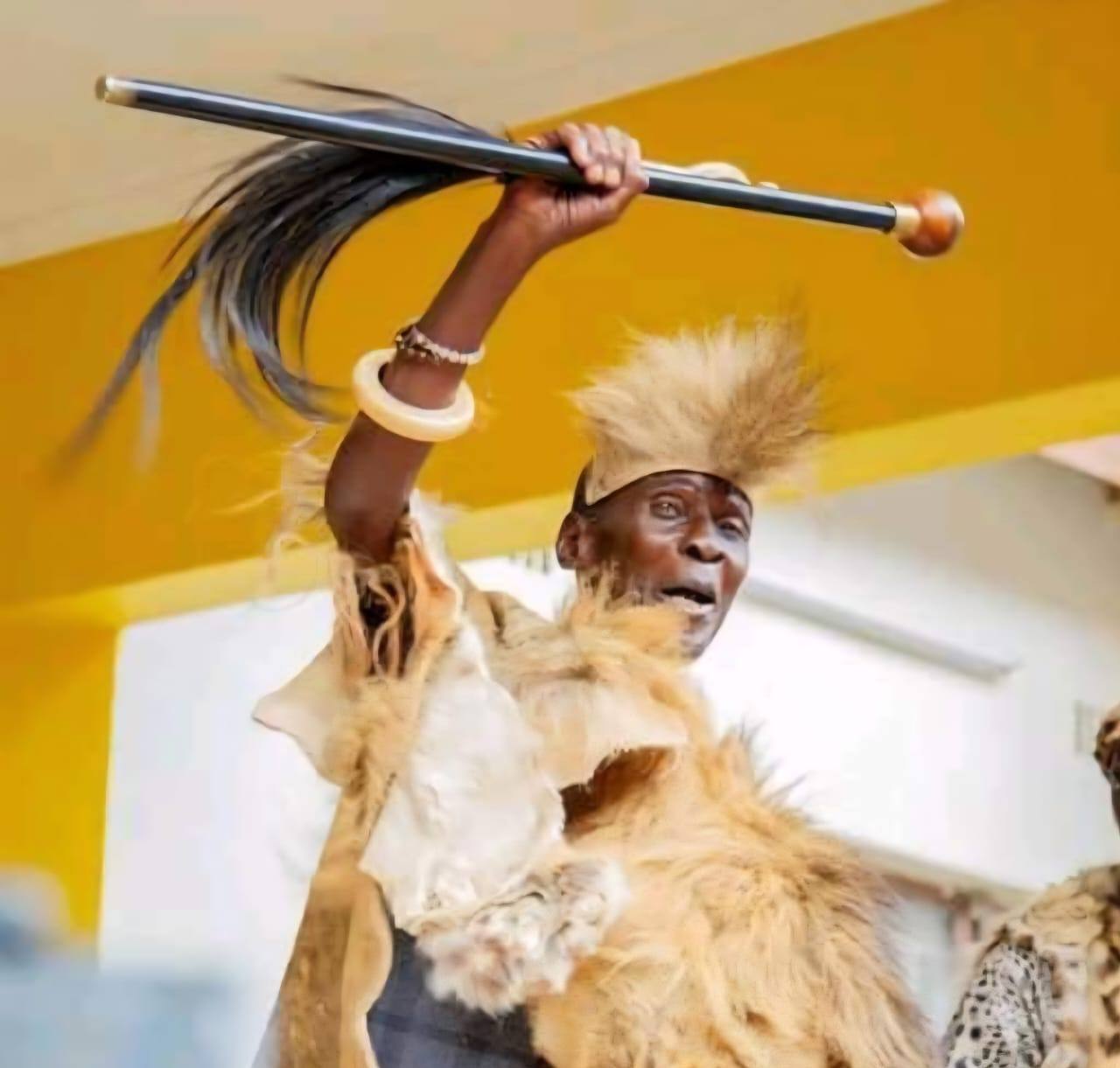
The ceremonial slaughter of the black bull is one of the most solemn moments of the Ncwala Ceremony.
It is not performed for spectacle, but as a spiritual act that blesses the harvest and unites the community.
For the Ngoni people, the ritual marks the transition into a new season of abundance, allowing the first fruits to be shared after the Paramount Chief's blessing.
Witnessing the ritual gives visitors a deeper understanding of the ceremony's meaning: respect for ancestors, gratitude for life, and responsibility to community.
It is a powerful reminder that Ncwala is living heritage, carried forward with reverence and care.
The ritual is preceded by days of preparation, reflection, and communal readiness. Elders, spiritual leaders, and ceremonial attendants each have a role, and the sequence of events follows time-honored protocols. This ensures the ritual remains sacred rather than theatrical.
In Ngoni tradition, the black bull symbolizes strength, continuity, and the wellbeing of the community. Its offering is an act of gratitude to God, the ancestors, and the land that provides sustenance. It also represents a public affirmation that the community will share the blessings of the harvest, not hoard them. This is why the ritual is often described as the doorway into the new season.
The moment itself is deeply emotional. Silence often settles over the crowd and the drumming pauses, creating a space of reverence. People reflect on the weight of the act and the responsibilities it represents. It is a reminder that food, life, and prosperity are never taken for granted.
For visitors, understanding the meaning behind the ritual is essential. It is not entertainment, and it is not staged for a crowd. Observing with respect, maintaining quiet, and recognizing the spiritual significance are ways outsiders can honor the ceremony.
After the ritual, the atmosphere shifts. The community moves from solemnity to celebration, now permitted to share the first fruits and begin the season together. This transition is one of the most powerful elements of Ncwala: it joins the spiritual and the communal, the sacred and the joyful, in a single arc.
The sacred bull ritual also reinforces values that extend beyond the ceremony. It teaches responsibility to the land, gratitude for provision, and leadership that serves the people. These values are part of why Ncwala remains central to Ngoni identity and why the ritual continues to be observed with such care.
In a modern world where many traditions are fading, the endurance of this ritual speaks to the strength of Ngoni cultural heritage. It is a living reminder that faith, memory, and community responsibility can still be carried forward with dignity and meaning.