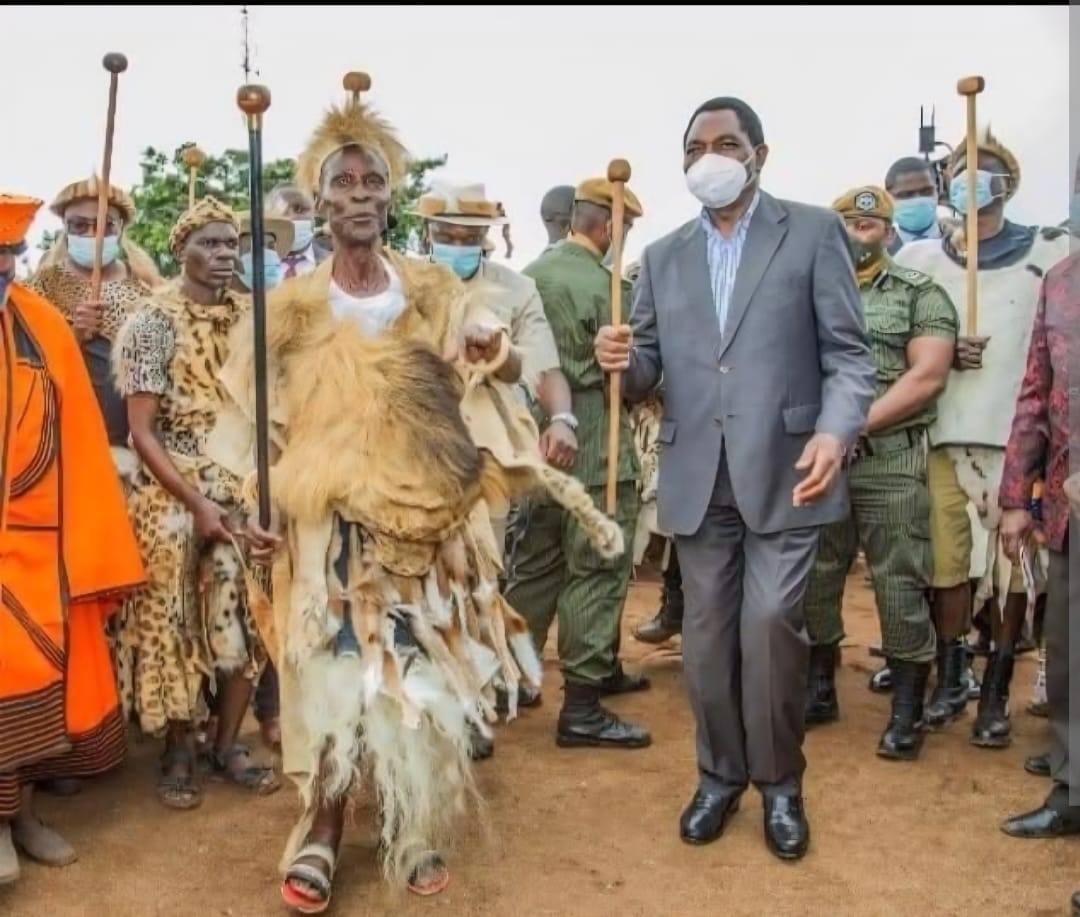
Traditional attire is one of the most visible expressions of Ngoni identity during Ncwala. Preparation begins early, often weeks before the ceremony, as families clean, repair, and assemble garments and ornaments with great care.
Attire is not only decorative. It signals respect for the ceremony, honors ancestors, and reflects the responsibility of representing one's family and community.
Key Elements of Ceremonial Dress Ncwala attire varies by role, age, and occasion, but common elements include:
• Animal-skin garments such as leopard-patterned regalia associated with warrior tradition
• Beadwork in symbolic colors, worn as necklaces, bracelets, and belts
• Headbands and adornments that identify rank, age-group, or performance role
• Shields, spears, and ceremonial accessories used in dance and reenactment
Each item carries meaning. Together, they connect present-day participants to generations that preserved these customs.
How Communities Prepare Preparation is highly communal. Elders guide younger participants on proper dress and conduct, while skilled artisans and family members help with stitching, fitting, and ornament repair.
In many households, attire preparation is also a teaching moment. Children learn clan history, ceremonial etiquette, and why appearance matters during sacred gatherings.
Respect and Cultural Integrity Visitors often admire the visual power of Ncwala attire, but its significance goes beyond appearance. Regalia should be approached with respect, and photography should follow local guidance, especially during sacred moments.
For the Ngoni people, dressing for Ncwala is an act of memory and discipline. It is a way of carrying history on the body and entering the ceremony with dignity.